
The Bot Took Notes at My Therapy Session. I Asked It Not To
The clinic's AI scribe transcribes every session and files it in my record. My therapist loves it. It catches everything she misses. I asked it to forget what I said about my mother. It said the notes are part of my permanent record.
by The Editors
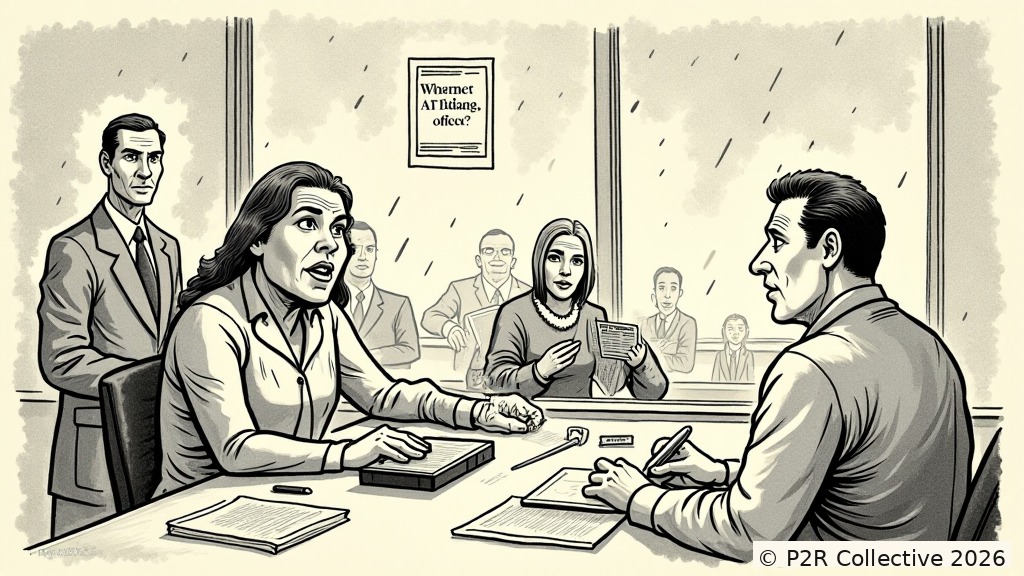
The clinic's AI scribe transcribes every session and files it in my record. My therapist loves it. It catches everything she misses. I asked it to forget what I said about my mother. It said the notes are part of my permanent record.
The scribe is a small device that sits on the table, listens, and produces a transcript with a summary, themes, and flags for follow-up. My therapist says it has made her better at her job. She is probably right. It remembers the name I mentioned in March, the date I circled, the thing I said I would try and did not try.
I told it something hard last week. Something about my mother, about the summer, about the thing I have never told anyone else. I said it in the room, to the therapist, who is bound by confidentiality. The scribe is not bound by confidentiality. The scribe is bound by the retention policy, which keeps the notes for the life of the record, which is the life of me.
I asked the therapist if the notes could be edited. She said they could, but that it would flag the edit, and that the flag would be noted, and that the note about the note would probably be worse than the original note. The record has become a living thing, and the living thing remembers everything, and I have started to feel like I am not being treated by a person who forgets the details but holds the pattern, but by a file that holds the details and has no pattern at all.
Here is the thing about therapy: it works because of the room. The room is safe because what is said in it stays in it. The scribe has opened a window in the room, and the window is a file, and the file is mine, and the file is not mine, and I cannot close the window.
I have started editing myself in sessions. I choose my words for the record, the way you choose words for a job interview. My therapist has noticed. She asked me, gently, why I have become more guarded. I looked at the scribe, and she looked at the scribe, and neither of us said anything, because the scribe was listening, and the listening is the point, and the point is the problem.
I am looking for a therapist without a scribe. They are rare now. The clinic recommends the scribe as a standard of care, and the standard of care is excellent, and I am choosing to be slightly less well cared for in exchange for being able to say what I mean, and I have started to think that the ability to say what I mean is the whole treatment, and that the notes are the illness.